
Claude Code: The Agent Harness, Off the Shelf
Read More »
In the last guide we defined the agent harness as the runtime that turns a model into an agent: the loop, the tools, the context
 AI StrategyDecide
 AI-Driven DevelopmentBuild
 AI Change ManagementAdopt
Read the GenDD Manifesto
What We Deliver
Intelligence Layer
AI-Native Products
Agentic Automation
Data Modernization
Model Fine-Tuning & Optimization
Data Science & Machine Learning
Start with AI Strategy & Roadmap
How We Engage
Forward Deployed Engineers
Agentic AI Pods
AI & Data Transformation Program
Partnerships
Anthropic
Google
Databricks
OpenAI
AI Change ManagementAdopt
Read the GenDD Manifesto
What We Deliver
Intelligence Layer
AI-Native Products
Agentic Automation
Data Modernization
Model Fine-Tuning & Optimization
Data Science & Machine Learning
Start with AI Strategy & Roadmap
How We Engage
Forward Deployed Engineers
Agentic AI Pods
AI & Data Transformation Program
Partnerships
Anthropic
Google
Databricks
OpenAI
In the last guide we defined the agent harness as the runtime that turns a model into an agent: the loop, the tools, the context
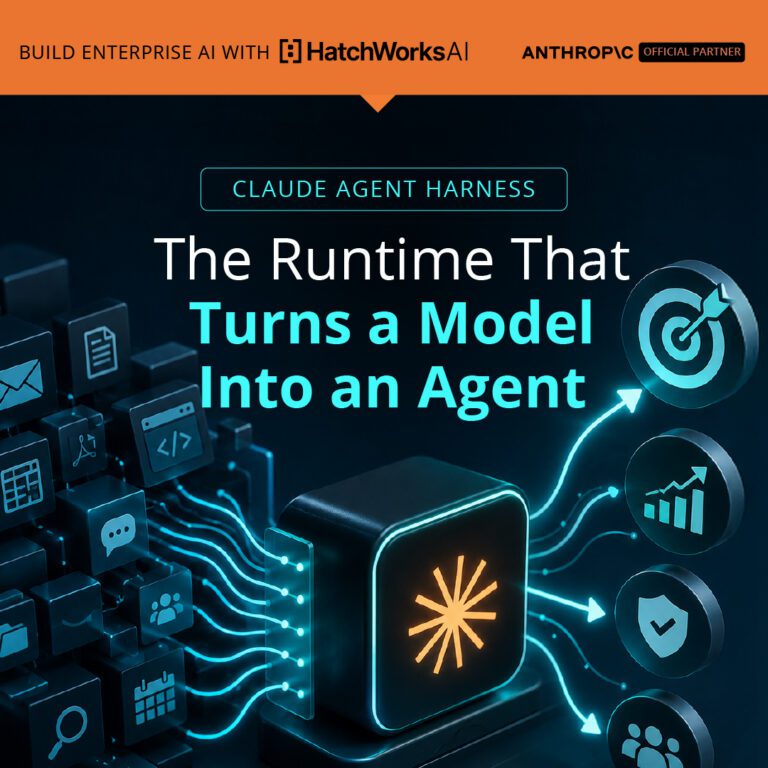
A language model, on its own, is not an agent. It reads a prompt and returns text. It cannot run a command, read a file,
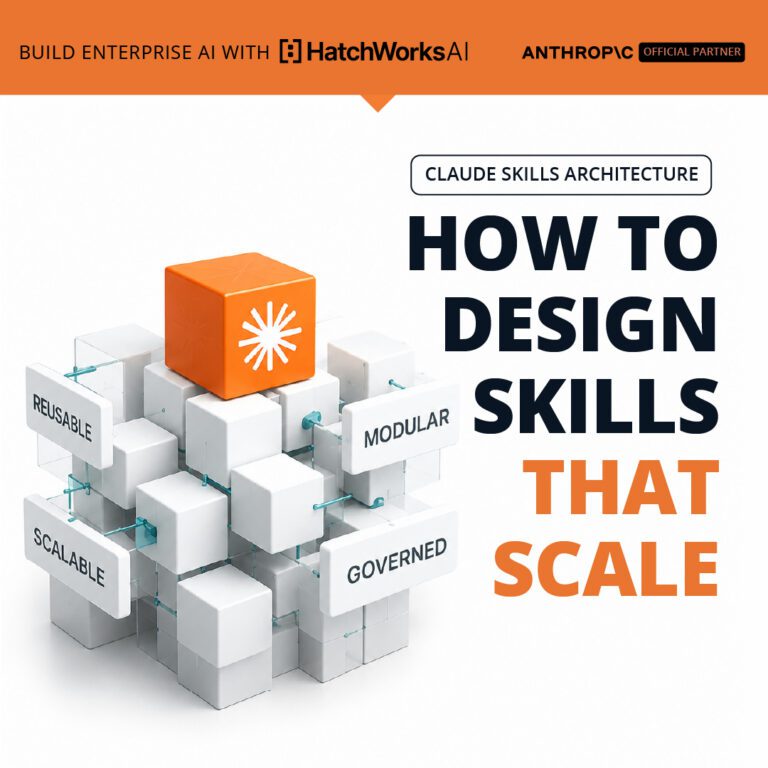
Most teams meet Claude Skills as a single folder that teaches Claude how to do one thing well. That framing is correct, and it is
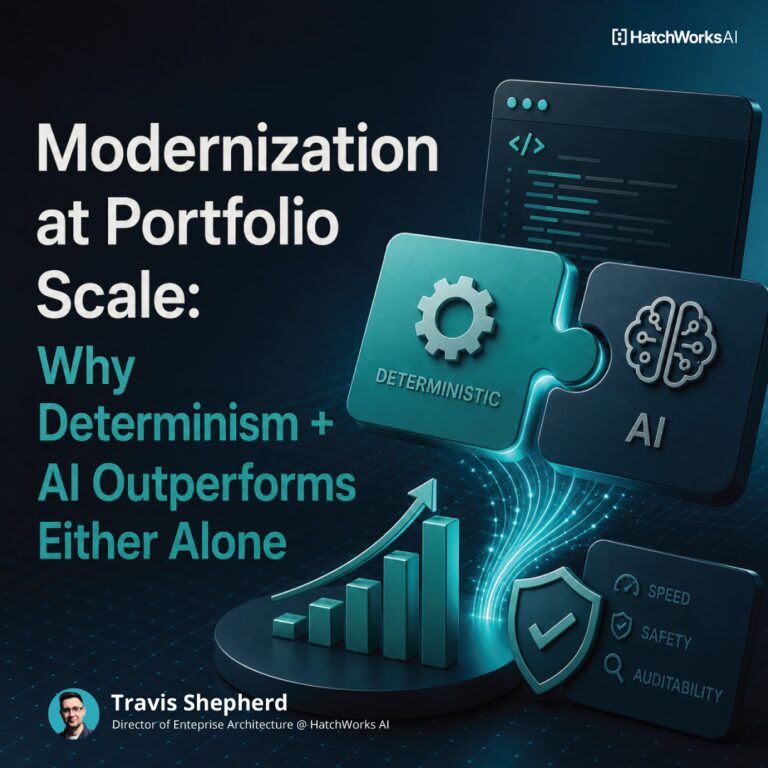
GenDD in Practice Travis Shepherd · A field guide for CTOs and architects modernizing at scale The market for mass code modernization is loud, and
You’re probably past the “should we use AI agents?” question. You probably already have agents running. And now you’re starting to feel what happens when
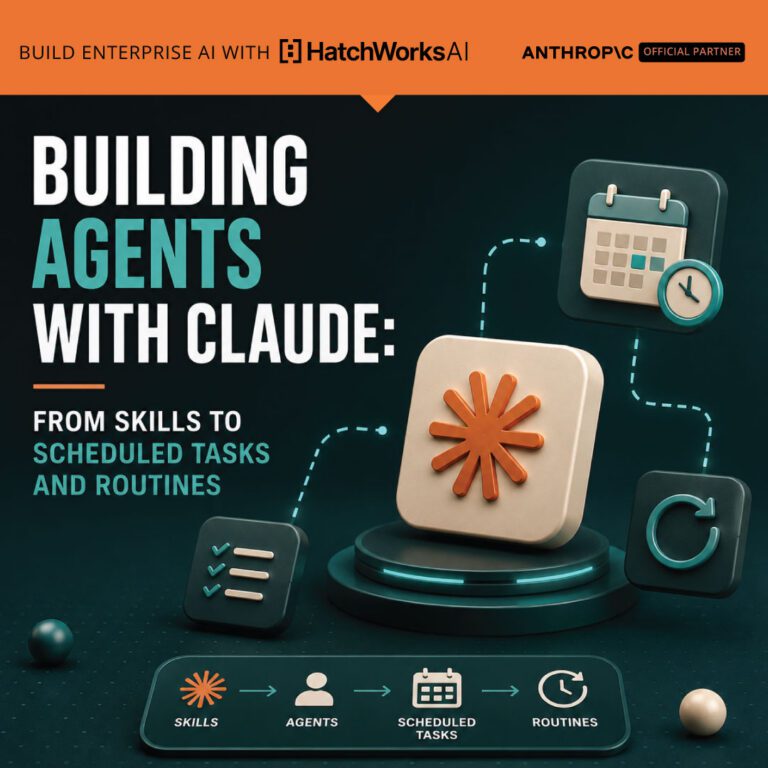
An agent stops being a chatbot when it starts doing things you didn’t ask it to do, on its own initiative, at the right moment.
Claude Skills are the answer to a problem every team using AI hits eventually: the same context, the same instructions, the same setup, retyped at
Once your team gets past the first month of working with Claude, two things start happening at the same time. Useful work gets bigger. And
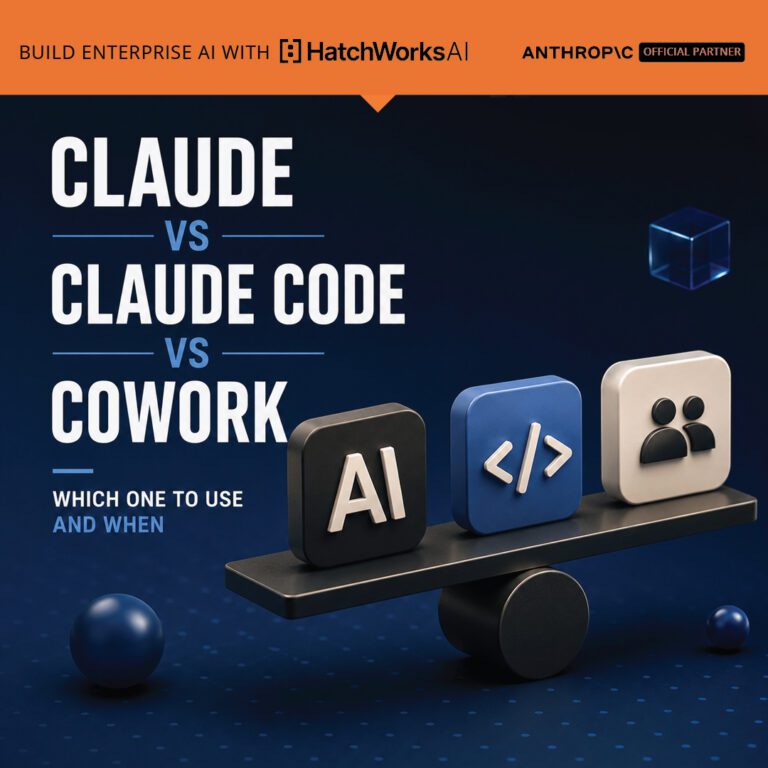
Anthropic now ships three ways to put Claude to work, and the names make them sound like rivals. They are not. Claude, Claude Code, and
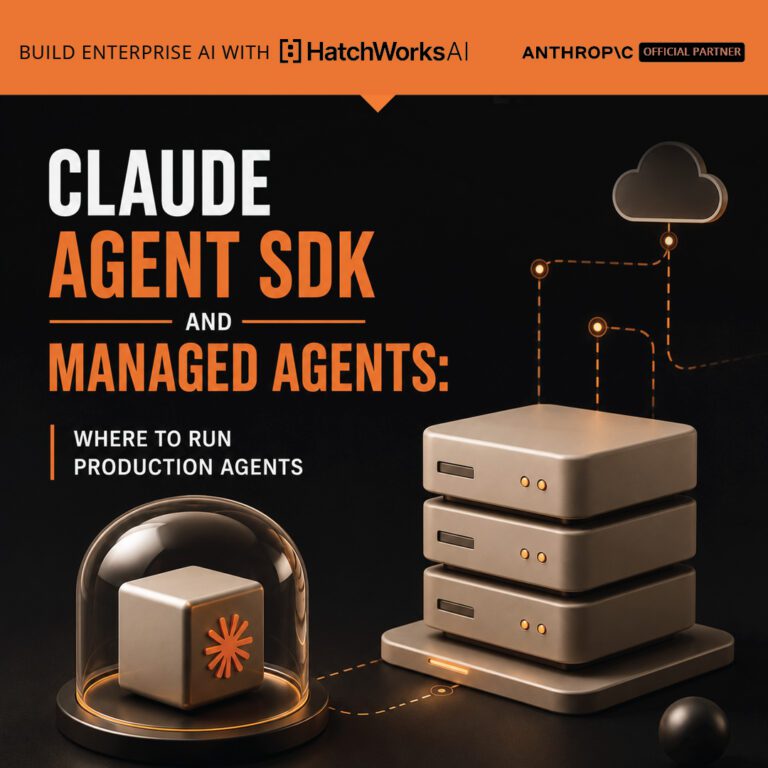
The conversation about AI agents has moved fast. A year ago it was about whether agents worked at all. Six months ago it was about